


Highlights
Appealing Dish Names to Nudge Diners to More Sustainable Food Choices: A Quasi-experimental Study
In four cities, Chicago, Sydney, Sao Paulo, and Singapore, three different plant-rich dishes were tested at workplace cafeteria buffets and presented with either an appealing name (emphasizing ingredients, origin, and flavor) or a basic name.
More DetailsAmicus Curiae Brief of the Cato Institute Supporting the Supreme Court Review of Proposition 12
The Cato Institute argues that the burden Proposition 12 places on interstate commerce is disproportionate to the “claimed local benefits” and therefore violates the Dormant Commerce Clause.
More DetailsTail Lesions in Fattening Pigs: Relationships with Postmortem Meat Inspection and Influence of a Tail Biting Management Tool
The study aimed to assess the prevalence of tail biting (TB) among pigs, methods for identifying TB (slaughterhouse pictures vs. meat inspection), and the effectiveness of the TB management tool Schwanzbeiß-Interventions-Programm’ (SchwIP).
More DetailsConsumer Willingness to Pay for Environmentally Sustainable Meat and a Plant-based Meat Substitute
Informational nudges on the negative environmental and health impacts of meat production and consumption did not motivate participants to pay a premium for sustainably produced beef or a plant-based meat alternative when compared to the control condition with no informational nudge.
More DetailsThe Expansion of Intensive Beef Farming to the Brazilian Amazon
As the need for supply and demand of beef increased from 2010-2013, so did the need to conserve grasslands. Consequently, cattle feedlots and confinement became the number one option for meeting the growing meat demand in Brazil.
More DetailsCoexistence Between Human and Wildlife: The Nature, Causes and Mitigations of Human Wildlife Conflict Around Bale Mountains National Park, Southeast Ethiopia
Wildlife-human conflict (WHC) can occur in Bale Mountains National Park due to the residents’ perception of wild animals that eat crops and prey on farmed animals. The study found that the main causes of WHC were agricultural expansion, human settlement, deforestation, overgrazing, illegal grass collection and poaching.
More DetailsNormalised, Human-Centric Discourses of Meat and Animals in Climate Change, Sustainability and Food Security Literature
Using discourse analysis and the animal studies literature, the author identified common themes and assumptions concerning how animals are discussed in salient international and Australian policy documents
More DetailsFarmyard Poultry Chicks in the European Union, 2014 – 2023
Eurostat presents a data visualization tool that allows the user to filter the data for each EU country based on the activity of hatcheries, the type of chicks, and year of interest.
More DetailsThe National Pork Producers Council and American Farm Bureau Federation’s Request for the Supreme Court Review of Proposition 12
The National Pork Producers Council (NPPC) and the American Farm Bureau Federation (AFBF) present their reasons for the Supreme Court to review the judgment of the Ninth Circuit that the petitioners failed to plead a dormant Commerce Clause violation of Proposition 12.
More Details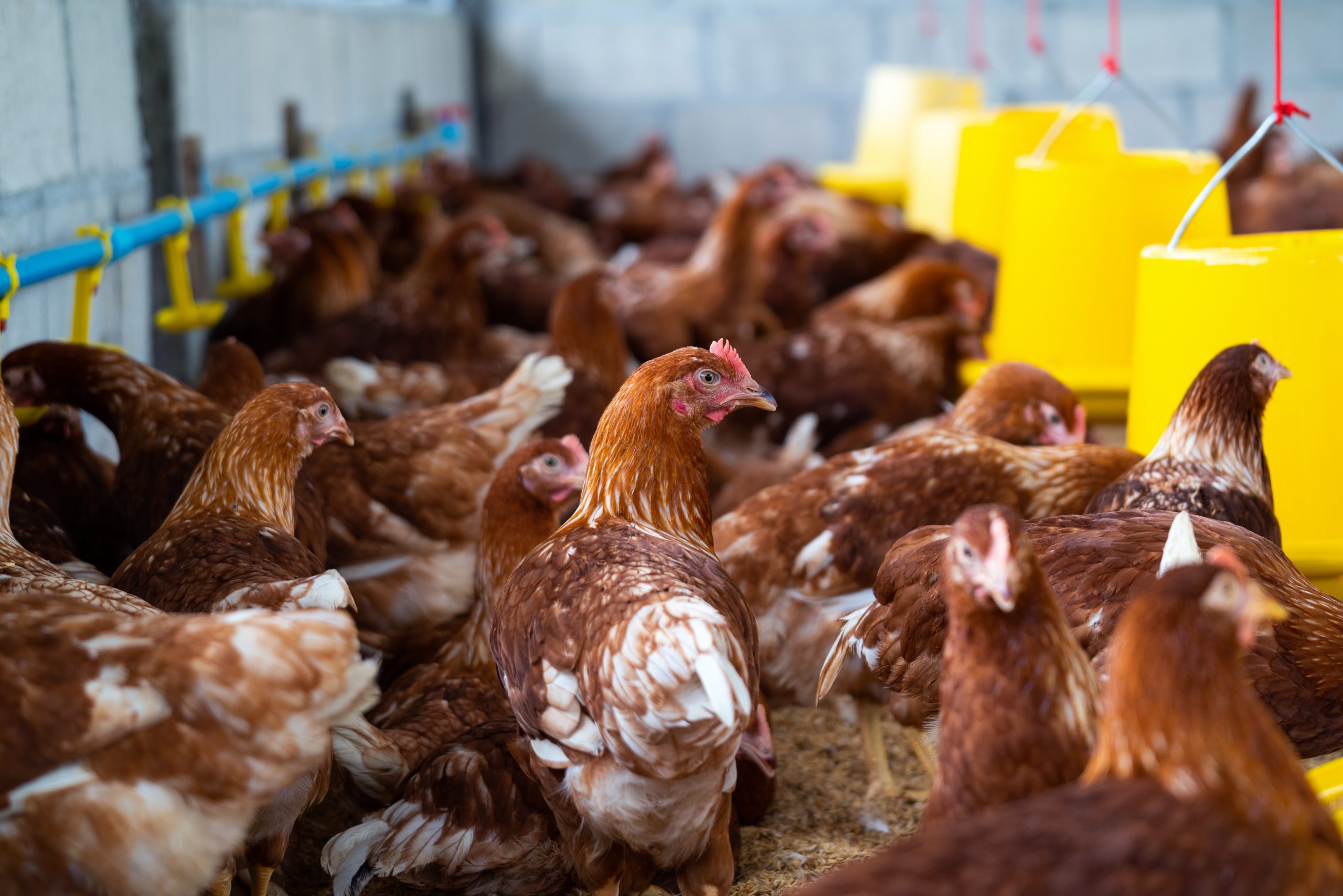
Impacts of Concentrated Animal Feeding Operations on Local Communities
This summary provides abridged excerpts from a collection of resources summaries found on the website.
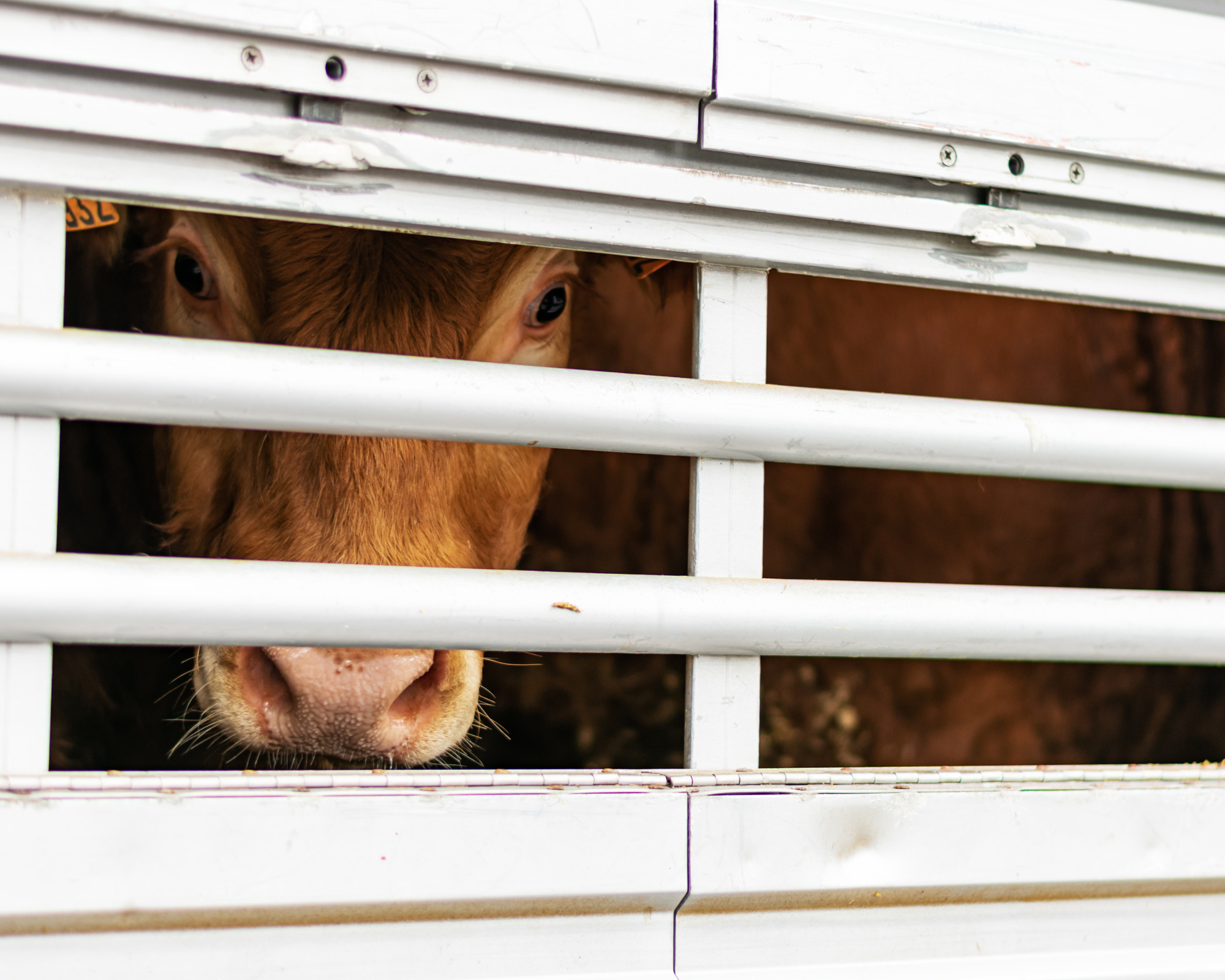
Animals in Transport
This summary provides abridged excerpts from a collection of resources summaries found on the website.